
Climate Change
Supporting the Sustainable Development Goals




Targets
- Reduce greenhouse gas emissions by 5% by 2029, compared to the 2025 base year
Performance


Challenges and Opportunities
The Company places importance on conducting business with environmental responsibility by recognizing the challenges arising from greenhouse gas emissions and climate change, which may affect operations, assets, the environment, and employee safety, including risks from higher energy costs, stricter environmental regulations, and natural disasters such as floods, extreme heat, storms, and PM2.5 dust.
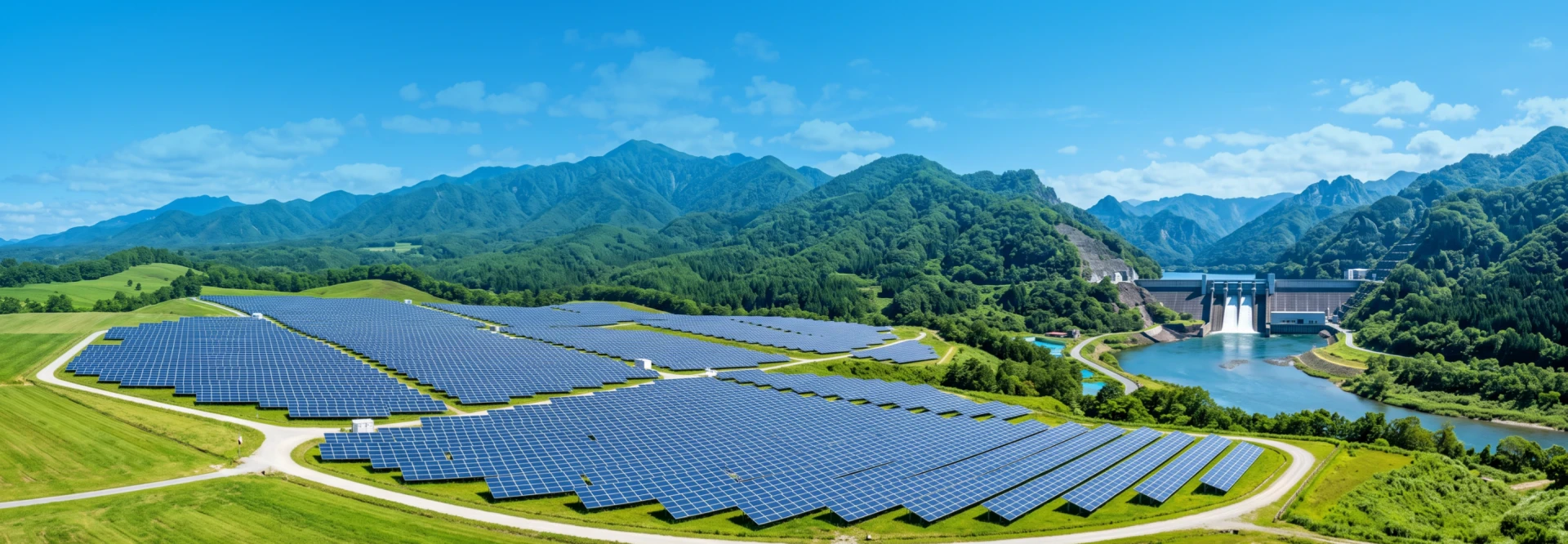
The Company is therefore committed to reducing environmental impacts by increasing energy efficiency, reducing dependence on fossil fuels, and promoting the use of renewable energy such as solar cells, together with efficient use of resources, including energy and water, and reducing waste through reuse.
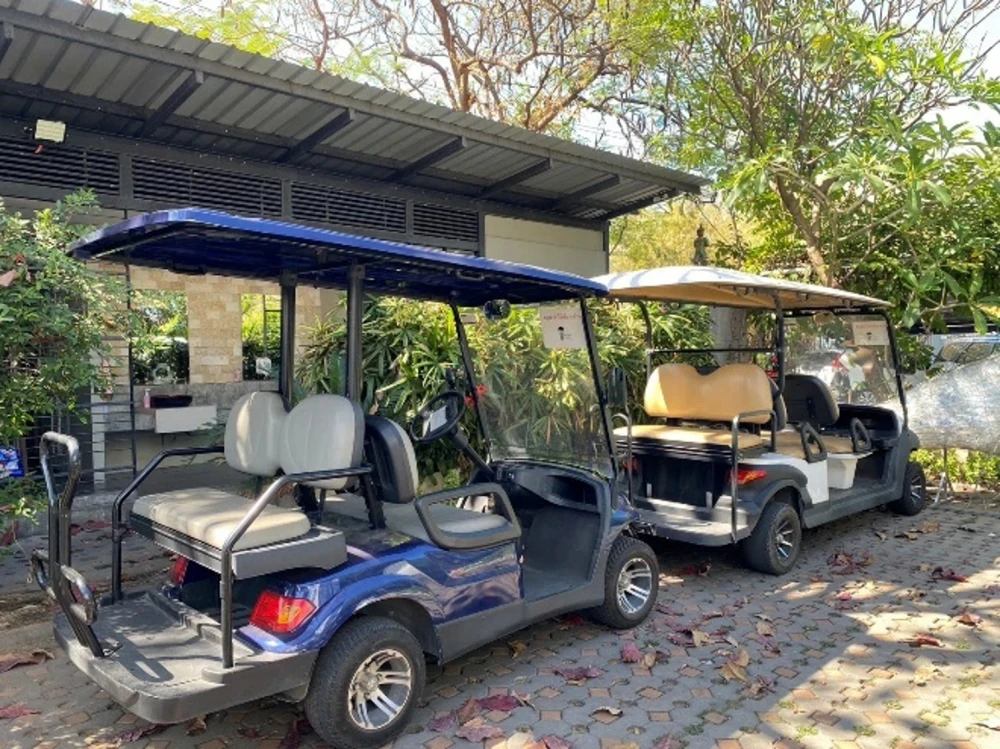
At the same time, the Company recognizes business opportunities from the transition to a low-carbon economy by investing in and developing clean energy solutions, as well as adjusting working models to be environmentally friendly. In addition, the Company also supports environmentally friendly operations and transportation, such as working from home and the use of golf carts within the organization, including adjusting working processes through the use of electronic document systems to reduce paper consumption, selecting environmentally friendly products, and integrating climate change risk management into business operations on a continuous basis.

Risk Management

Potential Impacts
Damage to buildings, structures, Data Center rooms, and assets, disruption of operations, and employee safety risks
Timeframe
Short–medium term (1–5 years)
Management Approach
- Regularly assess area and infrastructure risks
- Improve buildings, electrical systems, and backup power systems
- Prepare emergency plans

Potential Impacts
Decreased operational efficiency and increased energy costs, particularly for cooling systems in Data Centers
Timeframe
Short–medium term (1–5 years)
Management Approach
- Improve cooling systems and energy management in Data Centers

Potential Impacts
Risks to business continuity and costs for system improvement
Timeframe
Medium–long term (5–10 years)
Management Approach
- Plan long-term infrastructure improvements and investments
Management Approach and Value Creation
The Company collected and assessed its organizational greenhouse gas (GHG) emissions data covering Scope 1, Scope 2, and Scope 3 for the period 1 January 2025 – 31 December 2025. The Company’s Carbon Footprint for Organization (CFO) has been verified in accordance with the reporting guidelines of the Thailand Greenhouse Gas Management Organization (TGO). The verification was conducted by the Office of System Certification, Thailand Institute of Scientific and Technological Research (TISTR) on 9 February 2026.
The total greenhouse gas emissions of the Company, covering Scope 1, Scope 2, and Scope 3, are presented as follows:
Greenhouse Gas Emissions
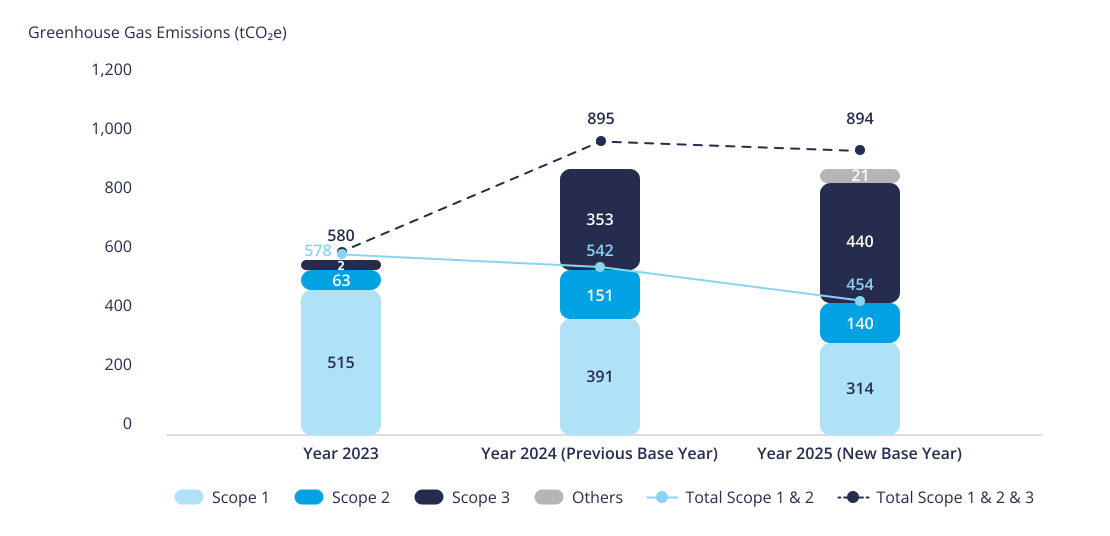
| Scope | Unit | 2023 | 2024 (Previous Base Year) | 2025 (New Base Year) |
|---|---|---|---|---|
| Scope 1 | tCO2e | 515 | 391 | 314 |
| Scope 2 | tCO2e | 63 | 151 | 140 |
| Scope 3 | tCO2e | 2 | 353 | 440 |
| Others | tCO2e | - | - | 21 |
| Total Scope 1 & 2 | tCO2e | 578 | 542 | 454 |
| Total Scope 1 & 2 & 3 | tCO2e | 580 | 895 | 894 |
Carbon Intensity
Unit: tCO2e / million Baht
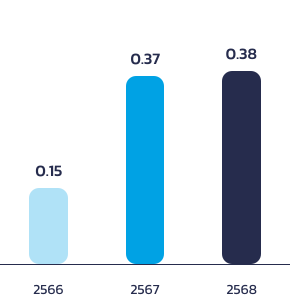
| 2023 | 2024 (Previous Base Year) | 2025 (New Base Year) |
| 0.15 tCO2e / million Baht | 0.37 tCO2e / million Baht | 0.38 tCO2e / million Baht |
|---|
Revision of the Base Year to 2025
The Company designated 2025 as the new base year as it marks the year in which the Company formally established its greenhouse gas emission reduction targets and implemented a more comprehensive and systematic collection of activity data across all relevant categories. Setting 2025 as the base year ensures that the Company’s environmental performance assessment is accurate and aligned with updated data and provides a reliable reference point for tracking progress toward the Company’s long-term sustainability goals.

Target
Reduce greenhouse gas emissions by
5%
by 2029, compared to the 2025 base year
2025 Performance (Base Year)